Urban Transformation Conference 2025: International exchange, excursions, networking
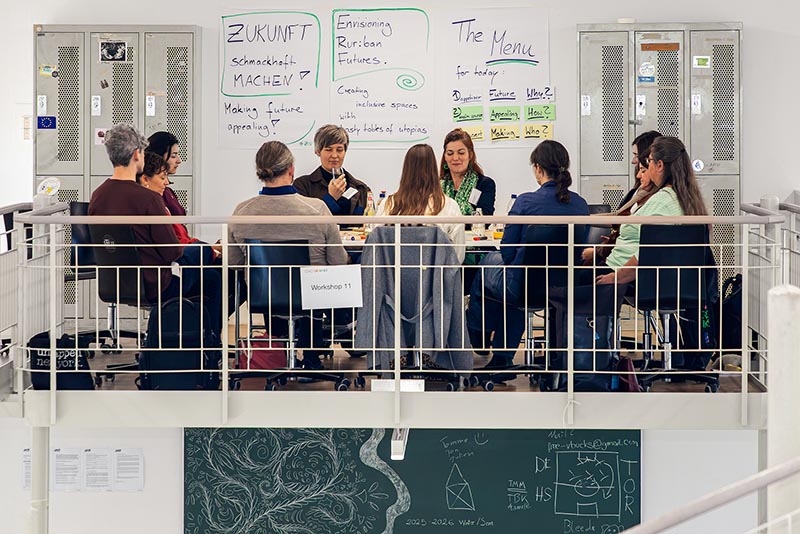
December 8, 2025 – "City of the Future" was the motto of this year's KIT Science Week in October 2025. The topic offered many points of contact for KAT, and so the researchers actively participated in the program of the knowledge week.
One highlight was the international research and learning conference "Urban Transformation 2025", which was jointly organized by the Institute for Urban and Landscape Design (IESL) and the Karlsruhe Transformation Center for Sustainability and Cultural Change (KAT).
The Karlsruhe Institute of Technology (KIT) hosted the Science Week for the third time. Held every two years, the week offers a wide range of activities for the public to gain insights into the scientific work being done at the Karlsruhe Institute of Technology and beyond. The Urban Transformation conference aimed to bring together urban real-world labs, living labs and other stakeholders from science, politics, and practice from around the world to facilitate a productive exchange on the experiences, challenges, and successes of their respective work.
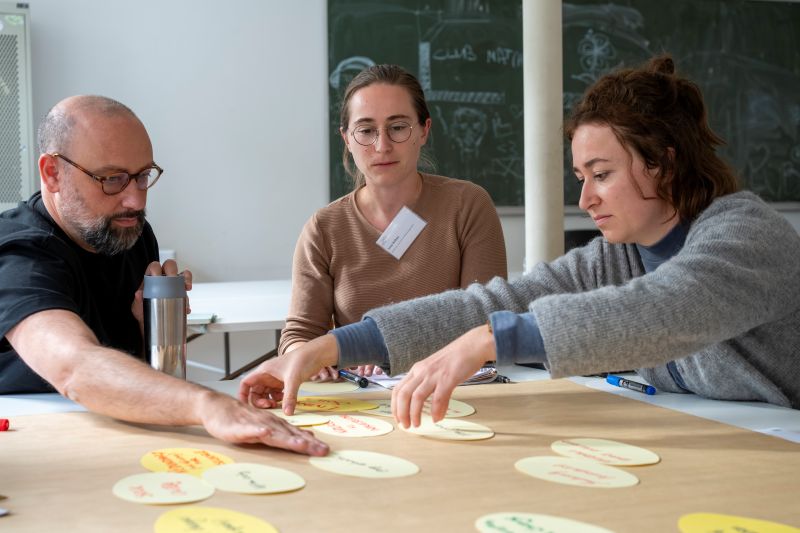
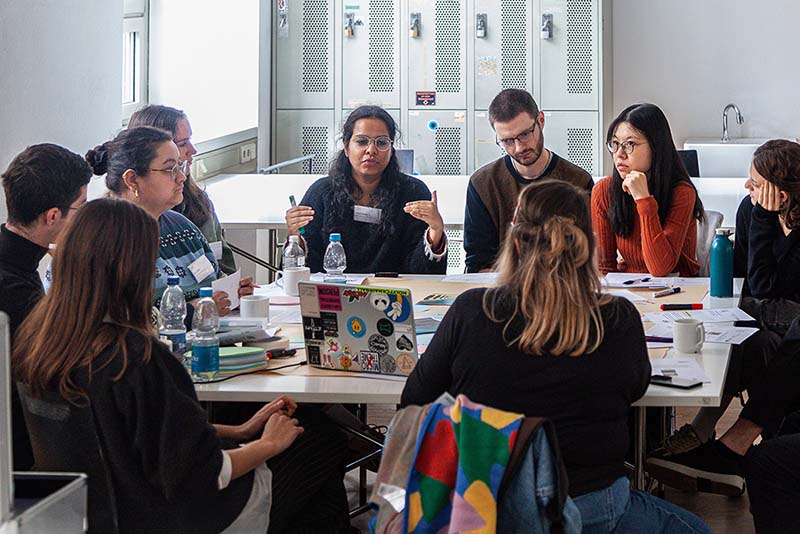
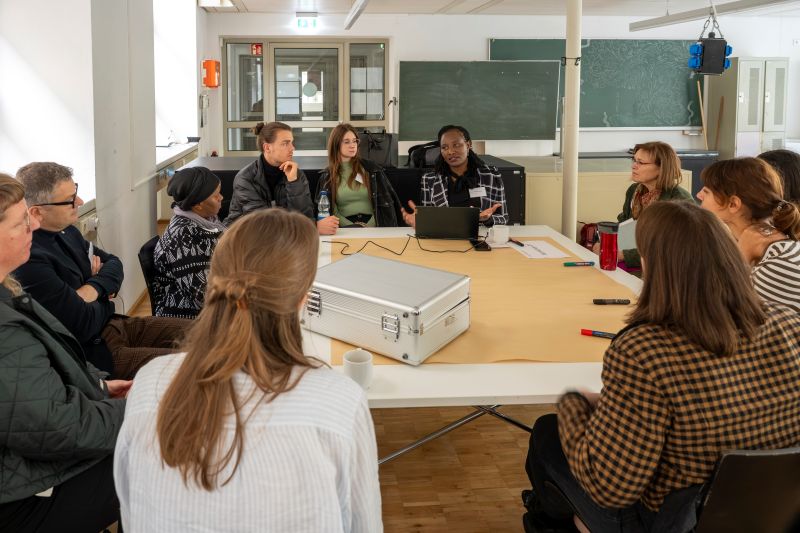
More than a dozen real-world labs from Europe, North America, South America, Asia, and Africa came together for this event and participated in workshops, inspiring lectures, and lively discussions to provide new impetus and promote international exchange.
Global perspectives on urban transformation
The topics covered in the program were as diverse as the participating institutions themselves. For example, the aspern.mobil LAB in Vienna is researching new forms of climate-friendly mobility and, together with the local population, is testing innovative solutions such as sharing services and new logistics concepts. The Lithuanian Vilnius Living Lab CLIMAS is dedicated to urban transformation by implementing community-based experiments on renewable energies and urban agriculture in the former industrial district of Naujamiestis. The City as Living Laboratory (CALL) in New York, on the other hand, focuses on architecture, design, and the creative combination of art and science. Real-world labs in the Global South, on the other hand, often focus on reducing and combating poverty and its consequences - an impressive example is the ACI Medellín Lab, which imparts knowledge about socially inclusive urban development and shows how innovative mobility and education services can strengthen disadvantaged neighborhoods.
Some presentations left a particularly lasting impression on participants. The opening lecture was given by Prof. Dr. Uwe Schneidewind, who emphasized that urban transformation is a complex interplay of technological, economic, political-institutional, and cultural factors. In his dual perspective as a scientist and former mayor of Wuppertal, Schneidewind has experienced firsthand how crucial local narratives, long-term structures, and the involvement of civil society are. Equally exciting was the program item by Maria Vassilakou, former deputy mayor of Vienna, who was responsible for a comprehensive sustainable urban development agenda from 2010 to 2019 and played a key role in the introduction of the €365 ticket for public transport. The expert in urban transformation strategies spoke at the conference about her groundbreaking experiences between politics and transformation. Equally influential was the contribution of Stuttgart urban planner Hannes Rockenbauch, who reported on how urban administrative bodies can support sustainable projects - and also slow them down.
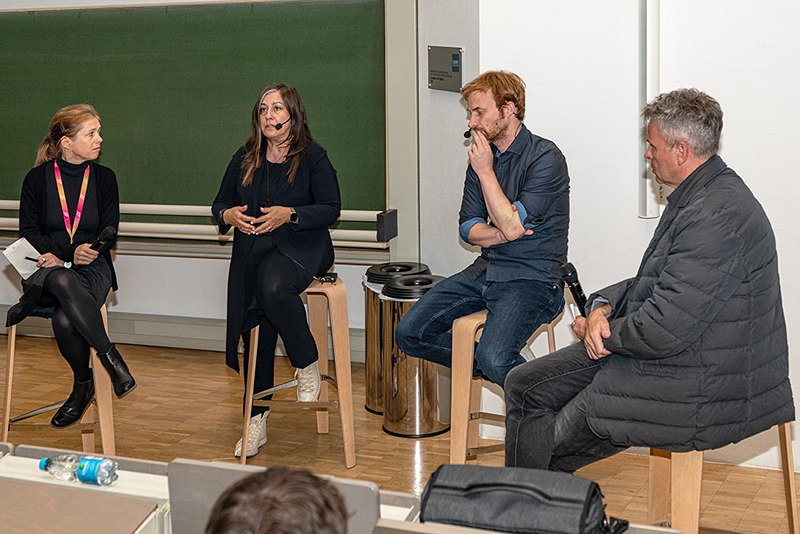
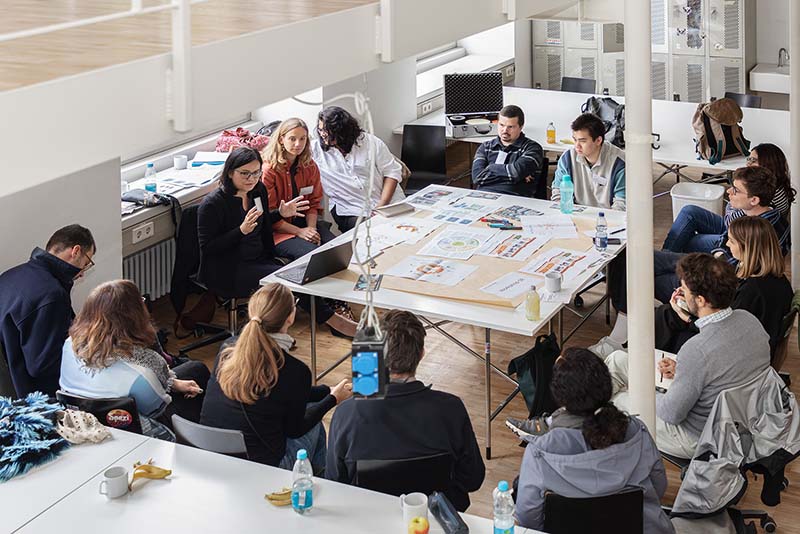
The contexts and challenges faced by the real-world labs presented also differ significantly: Researchers in the US, for example, are currently struggling with the political situation, and in many non-Western regions, informal settlements are of significant importance for urban development. "A real-world lab in Colombia reported that violence and the power of drug cartels also played an important role in their research work. Of course, this raises completely different questions than when we talk about allotments or urban energy supply here", says sustainability researcher Richard Beecroft from KAT.
Participation as the essence of real-world labs
The conference made it clear that real-world labs and living labs face similar difficulties despite their potential. They are usually resource-intensive and, once the project is over, face the challenge of creating sustainable structures for the long-term use of their results. In addition, although the involvement of a wide range of stakeholders is crucial, it is often complex, while legal and political frameworks can have a significant impact on the course of the project.
Despite all the thematic and methodological diversity, it once again became clear that participation and citizen involvement are the essence of real-world labs – completely independent of national borders or cultural differences. Whether using artistic, scientific, or political approaches, in the end it is all about research on, with, and for society.
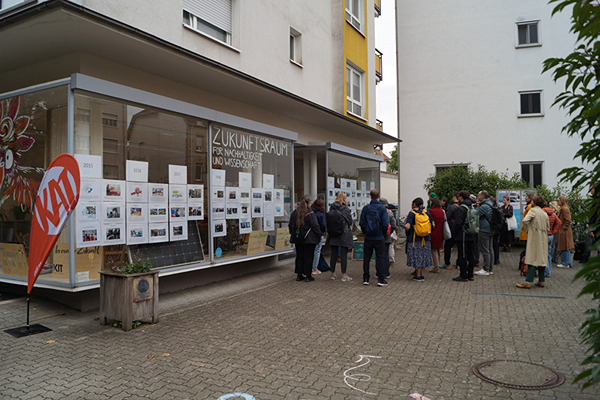
Another notable highlight of the conference was the wide range of excursions that gave participants direct insights into local real-world laboratories and transformation projects. Instead of discussing urban transformation only in theory, they were able to experience it firsthand. The well-attended excursions took participants to the KAT real-world lab "Quartier Zukunft – Labor Stadt", where guests learned in the "Zukunftsraum" how concrete experiments for a sustainable neighborhood are developed and tested in exchange with the civilian population. The excursion to the model construction of the "RoofKIT" project also met with great interest. This concept revolves around the great, hitherto little-noticed potential of urban roof space to develop new living space and integrate public spaces and energy generation into existing urban structures. Further excursions took us to the "MobiLab," KIT's mobile participation lab in the form of a mobile tiny house, and the knowledge transfer project "corner" with the exhibition "DUO How do we live? Now / in the future / together / in the city."
A conference with a future
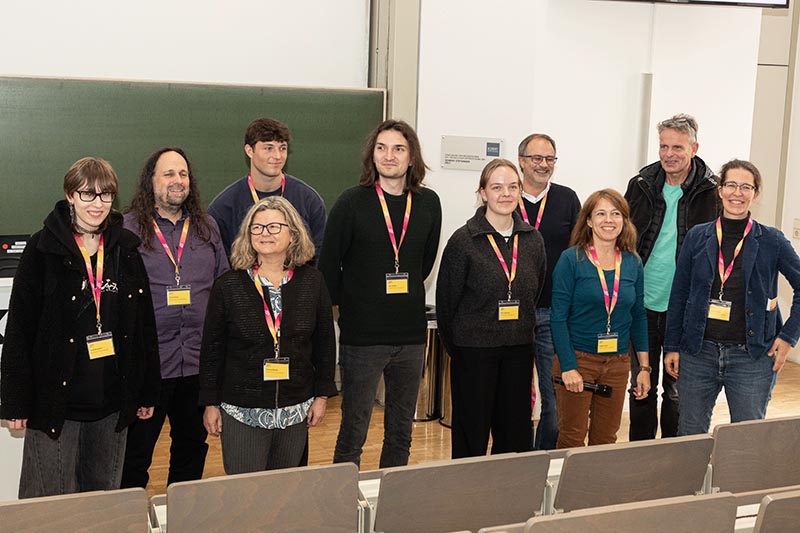
In addition to the insights gained, the conference was characterized above all by its open, sociable, and generally optimistic atmosphere. Researchers from all over the world easily struck up conversations, exchanged experiences, and made new contacts for potential collaborations. Many participants emphasized how beneficial this personal exchange was - not only for their own research, but also for a shared understanding of how urban transformation can succeed worldwide.
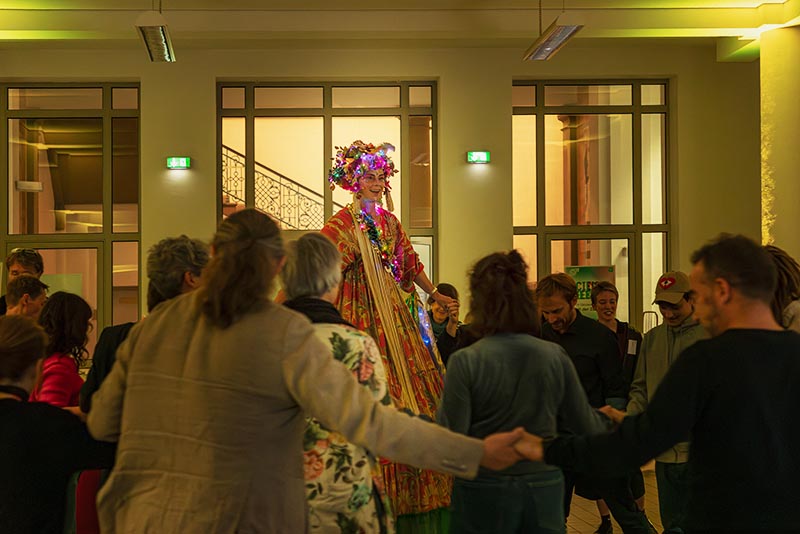
At the end of the conference, performance artist Joa Magnolia enriched the evening in a special way: she distributed wish cards for the "wish tree" and invited participants to reflect on their visions for the future and insights gained. With questions such as "What are your wishes for your city of the future?", "What are your takeaways from the conference?" and "What should happen after this conference?", she created space for reflection, which rounded off the joint conclusion in an atmospheric way.
"Now it's time to draw valuable insights from our shared experiences and exchanges so that we can share this knowledge with the international Living Lab community," said sustainability researcher and conference organizer Claudia Schreider. The next step, she added, is to consolidate, nurture, and continue the newly established contacts. In this way, in addition to facilitating exchange, the conference also contributed to the establishment of an international real-world lab network from which all participants will continue to benefit in the future.
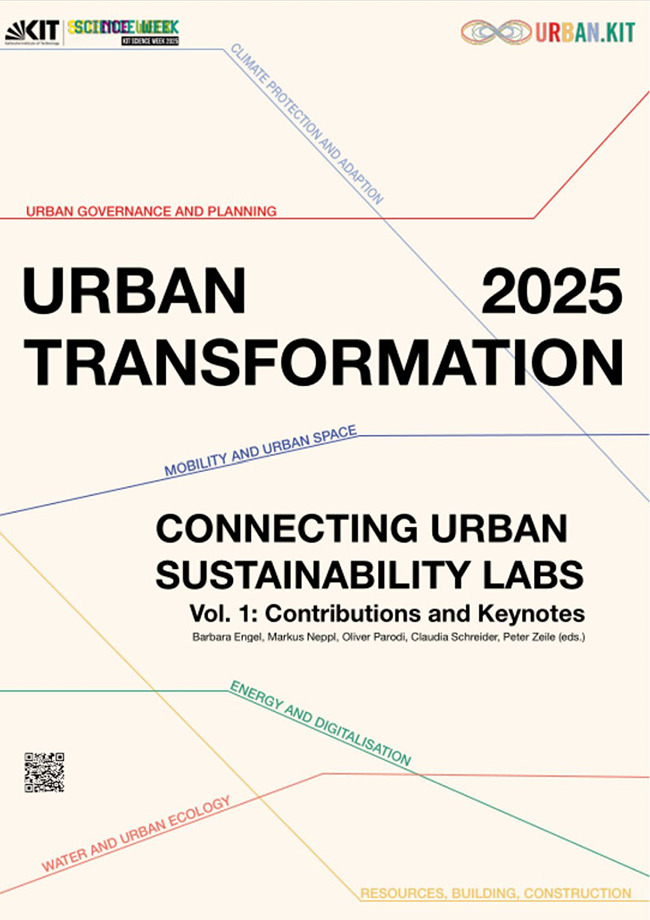
Conference Book: "Urban Transformation 2025: Connecting Urban Sustainability Labs. Vol.1: Contributions and Keynotes"
The Conference Book documents the complete scientific program, keynote contributions, and international real-world laboratory profiles presented at the Urban Transformation Conference held at Karlsruhe Institute of Technology (KIT). The volume highlights pressing urban challenges, including climate change, the mobility transition, digitalisation, land-use conflicts, and social cohesion, and presents transdisciplinary research addressing these issues.