
Real-World Labs in Baden-Württemberg: Conference "Real-World Labs ‘on the Road’ – Review and Outlook"
July 28, 2026 – The conference in Stuttgart, “Real-World Labs ‘on the Road’ – Review and Outlook,” provided insights into the work of real-world labs over the past ten years in Baden-Württemberg. Naturally, KAT and its real-world lab projects were there. At three interactive KAT booths, visitors could learn, exchange ideas, and experiment. A hands-on workshop and an exhibition at the MobiLab provided further insights.
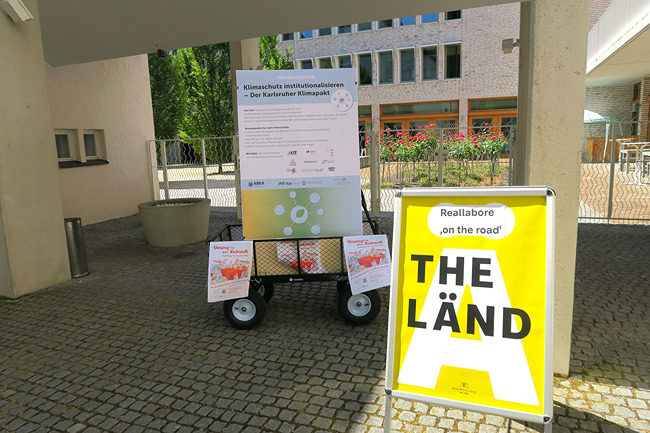
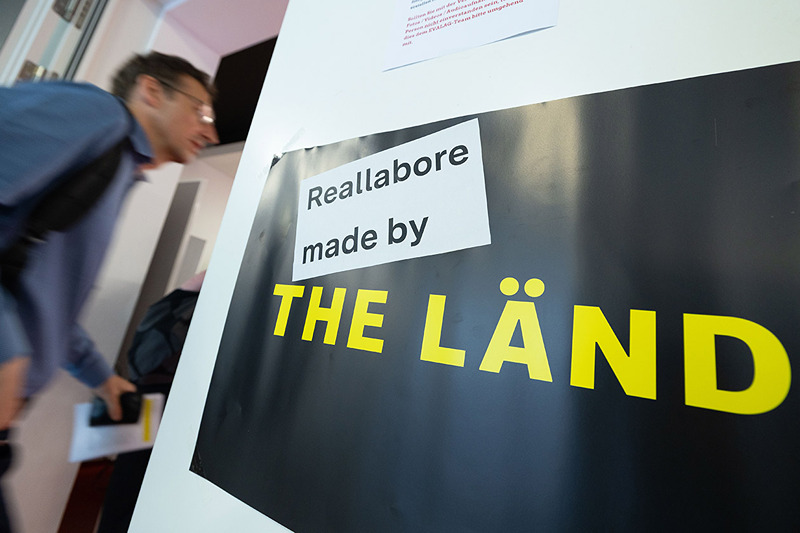
Since 2015, the Baden-Württemberg Ministry of Science, Research and Arts (MWK) has been supporting real-world labs in the state. At the conference on July 9, 2026, participants took stock together with real world lab stakeholders: What successes have real-world labs “made in the LÄND” achieved? What changes have they initiated? How do participants reflect on their impact on society?
The conference opened with a poetry slam by Louisa Bahl, a video message from Science Minister Petra Olschowski MdL, a welcome address by Stefan Landerer, and a performance by the Fast Forward Theater. Afterward, attendees could visit the central marketplace featuring around 15 interactive booths. The participating real-world labs were able to present their work there, invite visitors to get involved, and network with one another.
KAT: What does the ideal real-world lab look like?
At the KAT booth, visitors had the opportunity to learn about the real-world lab “District Future – Urban Lab”, which has been active in Karlsruhe’s Oststadt since 2012 with a variety of sustainability projects – and to find out how to institutionalize a real-world lab. The “Self-Experiment Generator” was also very popular; it allowed visitors to conduct a guided self-experiment aimed at increasing sustainability in their daily lives. Anyone who wanted to could upload their experiment to a digital padlet right there on the spot or use it as a source of inspiration.
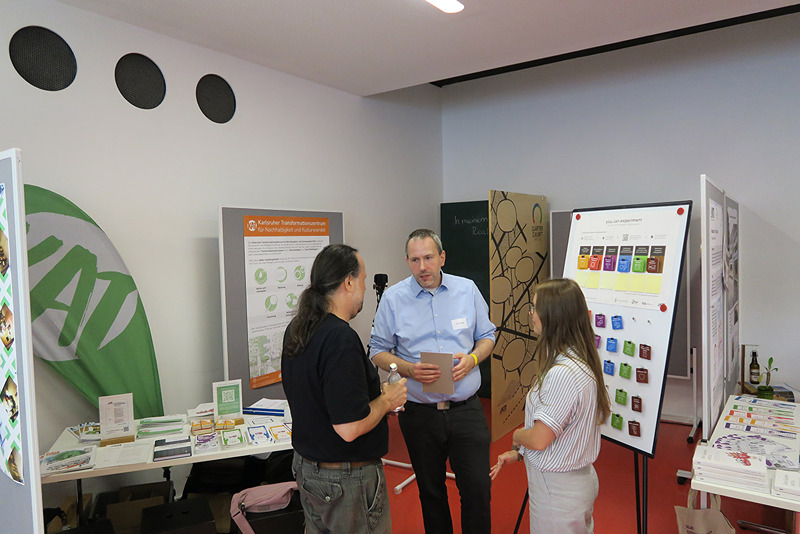
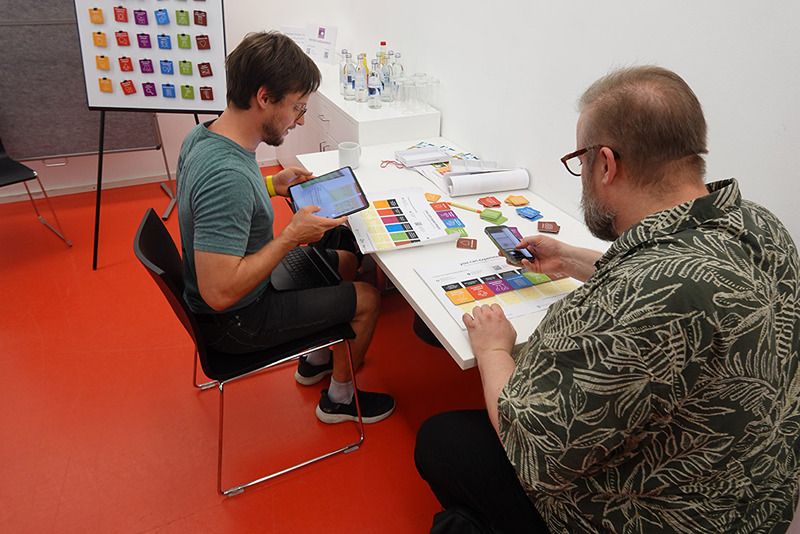
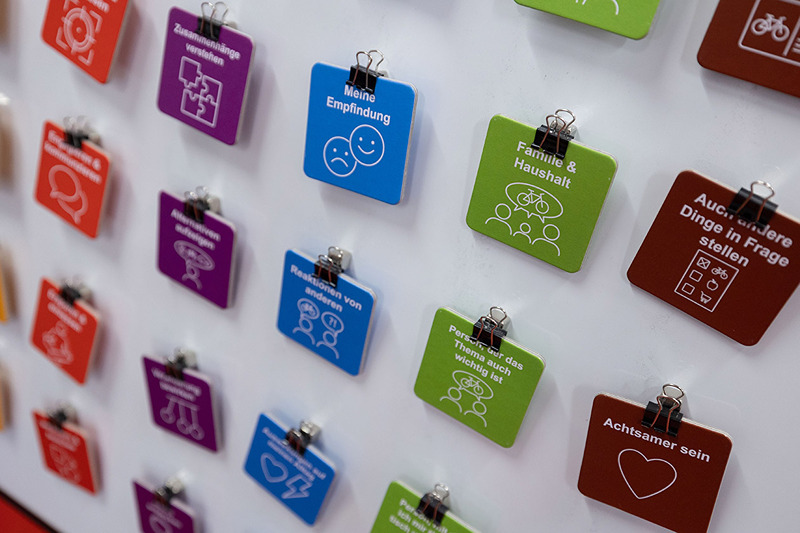
The KAT team also provided a more detailed introduction to the self-experiment format during a one-hour “How to Experiment” workshop. Many of the participants then came to the booth to implement what they had just learned.
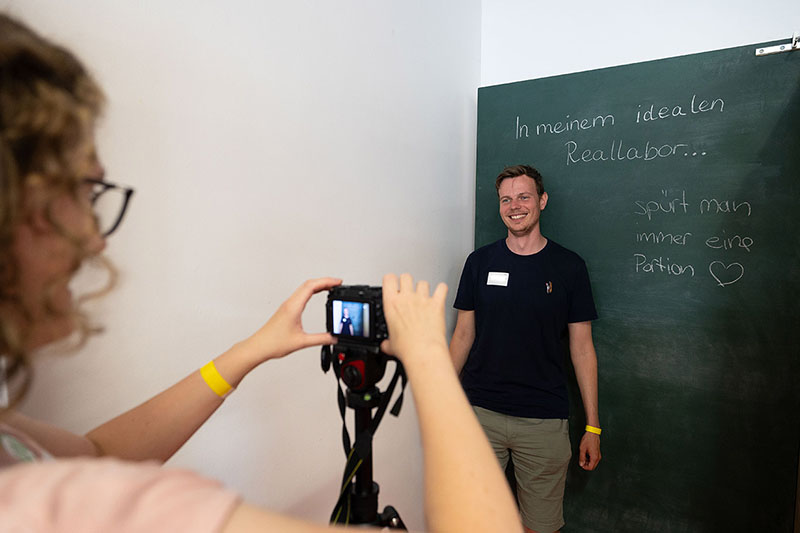
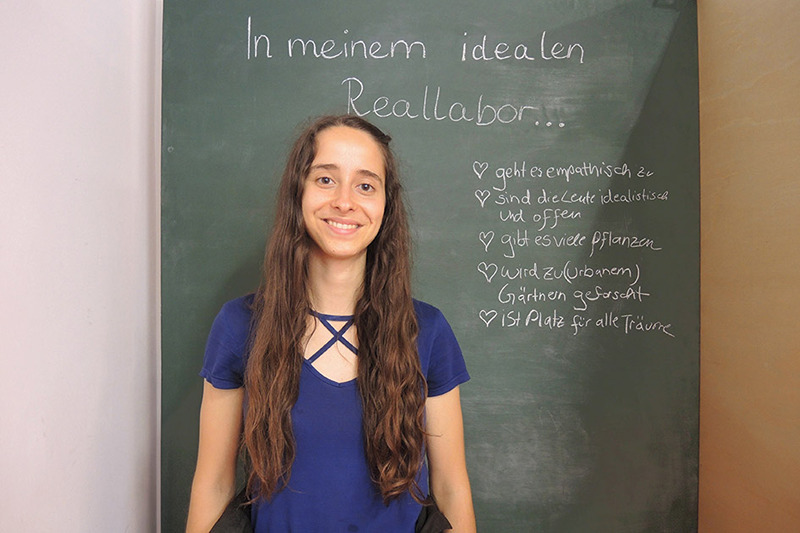
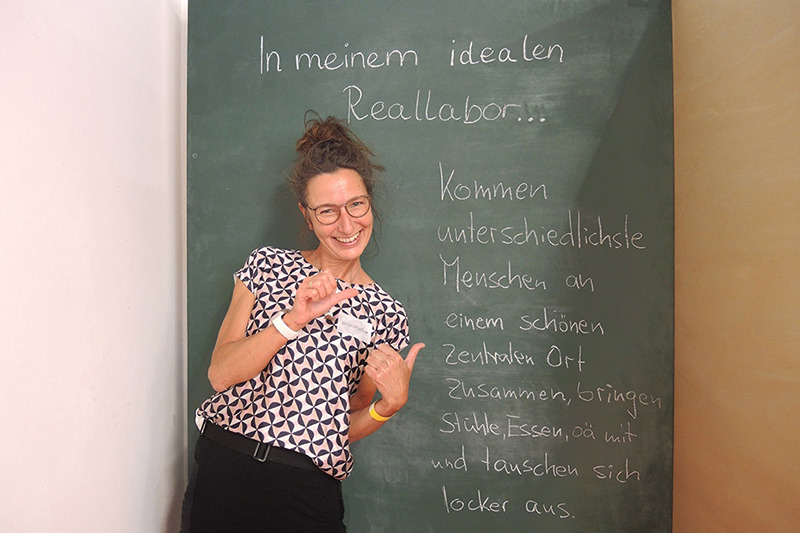
Anyone who wanted to share their ideas and wishes for an ideal real-world lab in an ideal world could do so at the photo booth at the stand. Visitors were then photographed alongside their statements. This also provided a great opportunity to strike up a conversation with them about their ideas.
R131: A Real-world lab from the first funding line
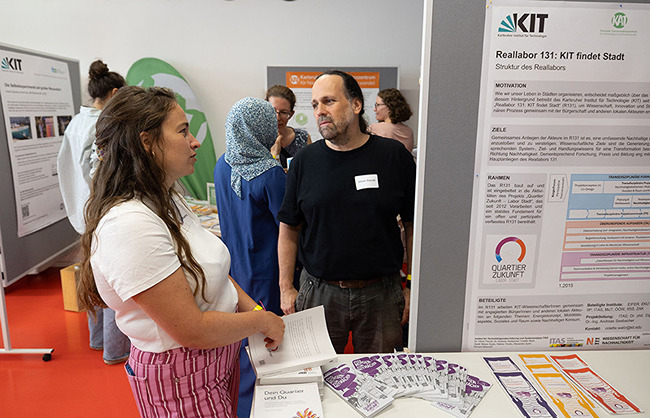
“Urban Transition Lab 131,” operated by the KAT team, was one of the first projects in Baden-Württemberg to receive funding from the MWK from 2015 to 2017 and was, in a sense, an “offspring” of “Quartier Zukunft”. As an interactive element, the market stall featured the “Oracle of Karlsruhe” — in the form of research associate Andreas Seebacher — who answered spontaneous questions from the audience about finding, renting, furnishing, and operating a neighborhood office, such as the Future Space for Sustainability and Science. The Future Space remains part of the established real-world lab infrastructure at KAT to this day.
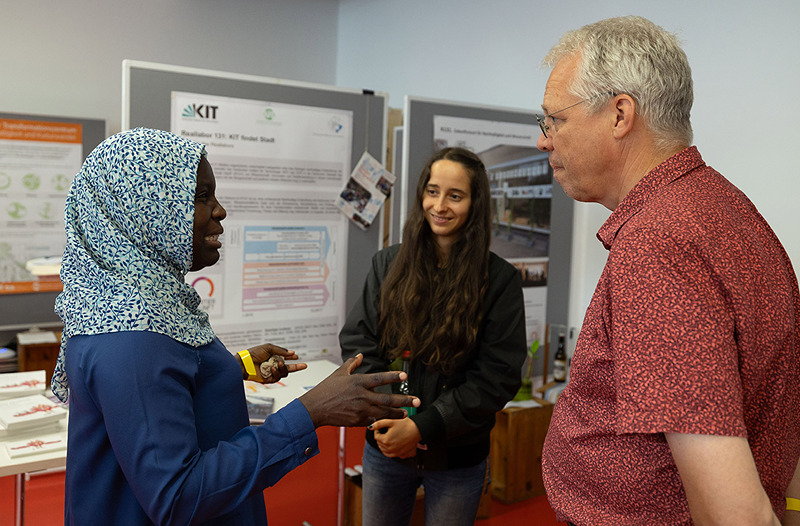
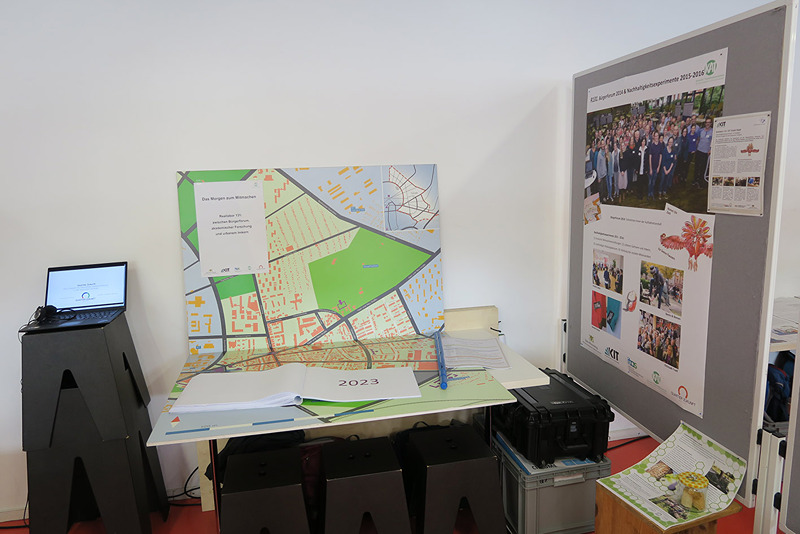
An exhibition featuring posters, displays and a city map complemented the R131 presentation. It showcased sustainability experiments conducted under the theme “Community & Slowing Down”:
- Garden Beds & Bees: Urban Gardening and Beekeeping
- Oststadttreff: The Oststadt Neighborhood
- SecondFuture: Secondhand brand
- Kreativsalon: Dance, Theater, Music
KARLA: Testing climate protection on the Ground
The KARLA booth — the KArlsruhe Real-world LAb for sustainability in climate protection — impressively demonstrated how sustainability in climate protection has been researched, advanced, and implemented in Karlsruhe as a model initiative. Among other things, the team presented IKonE, a web-based tool developed as part of the project to assess the sustainability of (municipal) climate protection measures.
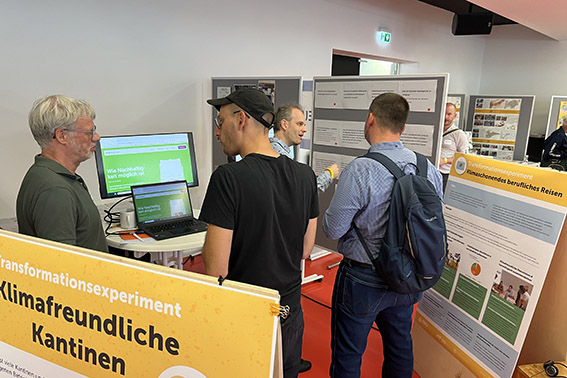
The reflection tool “ReiseReflex,” presented by the team behind the KARLA transformation experiment “Climate-Friendly Business Travel,” sparked a discussion on whether and how researchers should still travel for climate protection reasons.
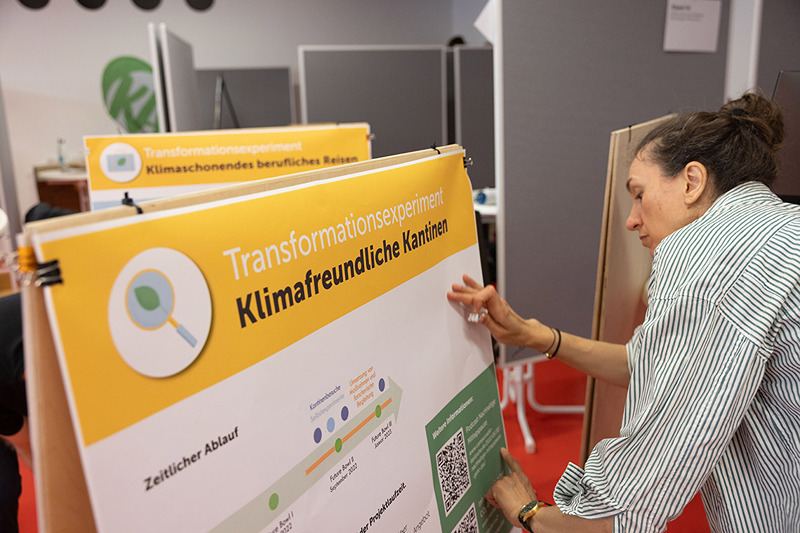
A team from the KARLA transformation experiment “Climate-Friendly Cafeterias” introduced the “Future Bowl” event format. In addition to presentations and best-practice examples from the region, the event offered opportunities for networking.
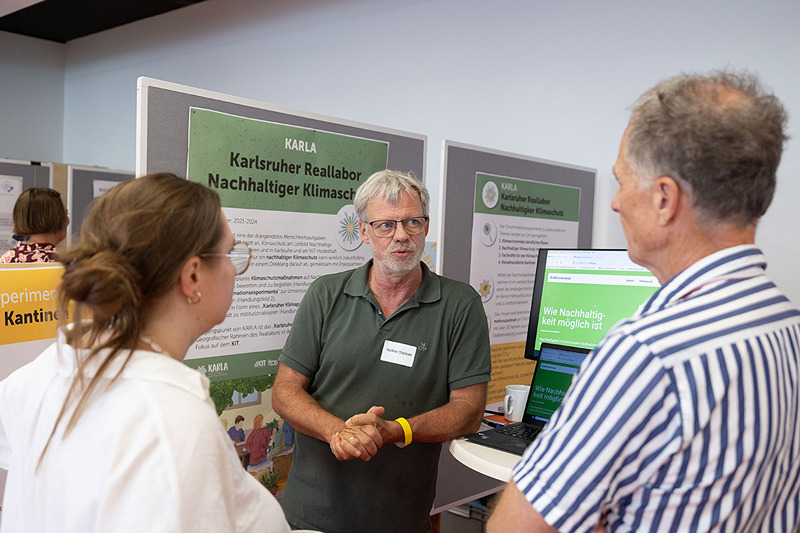
As part of KARLA, the Karlsruhe Climate Pact — which remains active to this day — was also launched. It is a partnership among all eight universities in Karlsruhe and the City of Karlsruhe. Climate protection and collaborative institutional learning were thus institutionalized across all participating institutions.
Last but not least, the KARLA closing film was screened at the booth. It depicts a “move into the future” and was shown in the summer of 2024 as part of the public event “Station Zukunft” at the Karlsruhe Castle Light Festival.
MobiLab: Knowledge Transfer on Wheels
Prominently located in front of the conference rooms and right in the middle of the pedestrian zone, the MobiLab was open to visitors. The Mobile Participation Lab (MobiLab) was established in 2021 as a transdisciplinary real-world lab infrastructure through a collaboration between KAT at ITAS and the KIT-Center Humans and Technology. It is a mobile platform for exchange between science and society and is used for real-world experiments, participatory research, citizen science, and science communication.
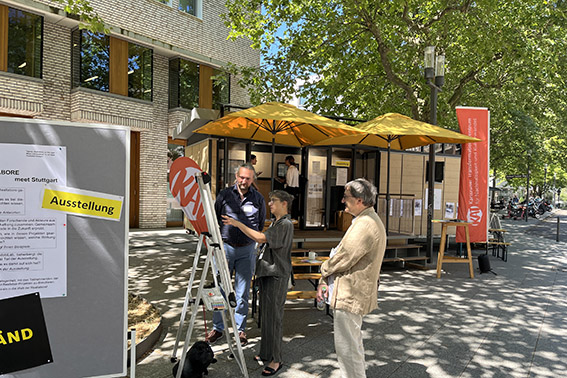
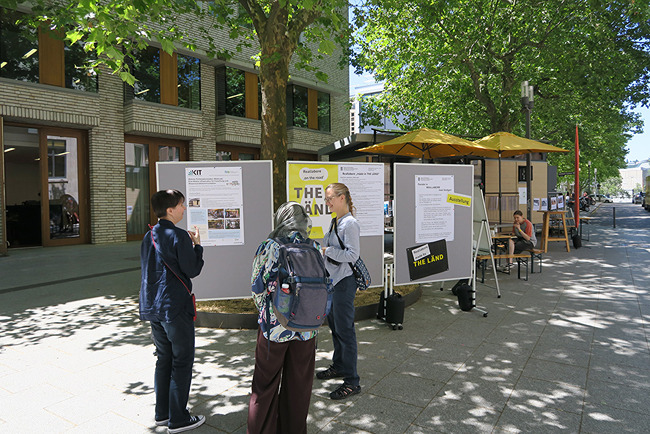
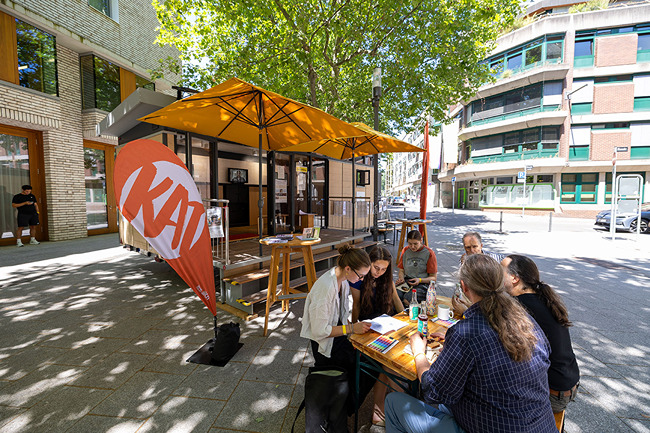
As part of the conference, the MobiLab served as a window to the wider urban community. In addition to conversations with passersby, it featured a poster exhibition and short films about the participating real-world labs.
Real-world labs network: Impacts of the BW real-world labs in THE WÖRLD
To foster greater synergies among the various stakeholders, the network “Real-World Labs for Sustainability” was founded in 2019 on the initiative of KAT by a group of real-world lab operators.
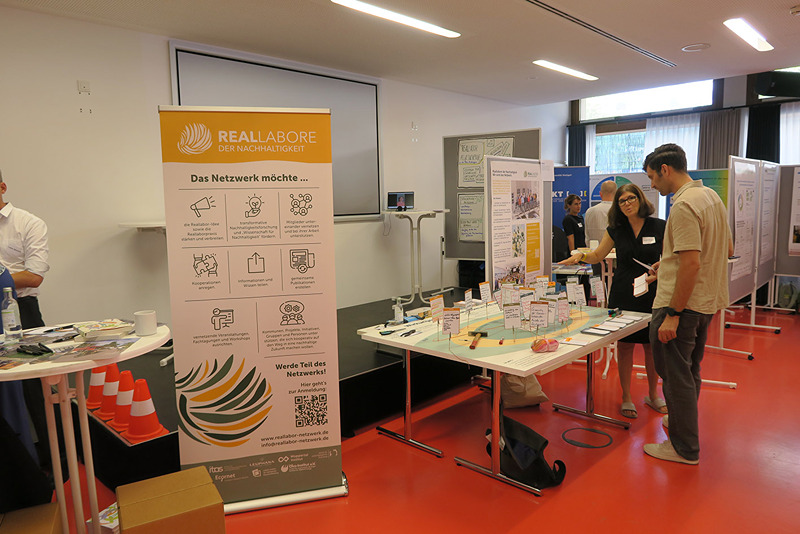
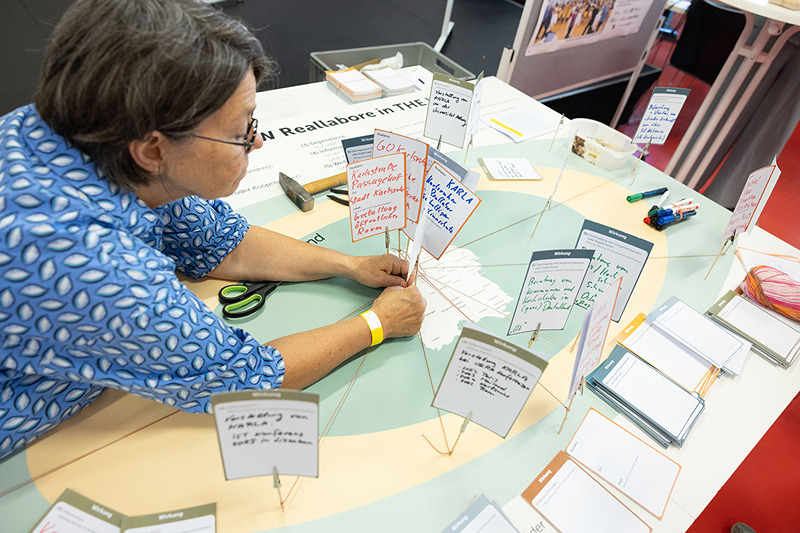
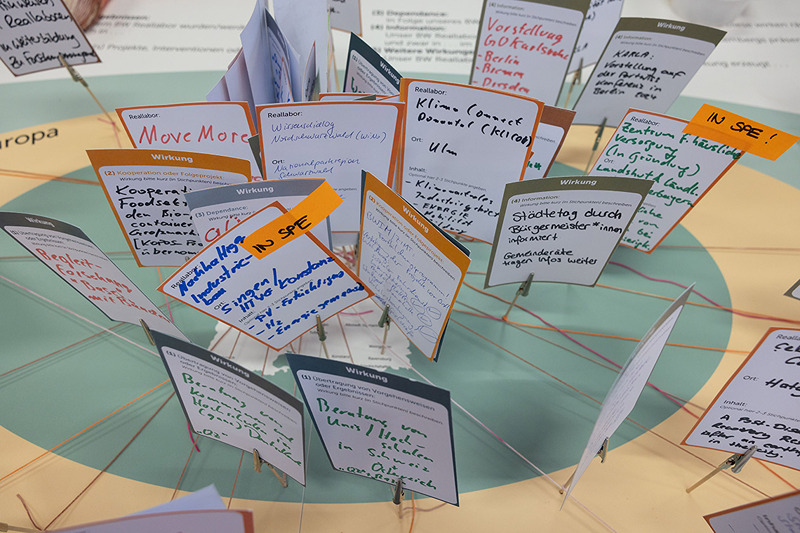
As the initiator and founding member of the network, KAT also took the lead in organizing the network’s market booth. There, participants got hands-on with hammers, nails, and twine — an activity that went over well with visitors. On a large map, visitors could mark their real-world lab in Baden-Württemberg with a flag and note the impacts that resulted from it in Germany, Europe or worldwide. They could also provide details — such as information on partner or follow-up projects and branch offices — and pin them to the map as well. The points were then connected with a string to illustrate the ripple effect.
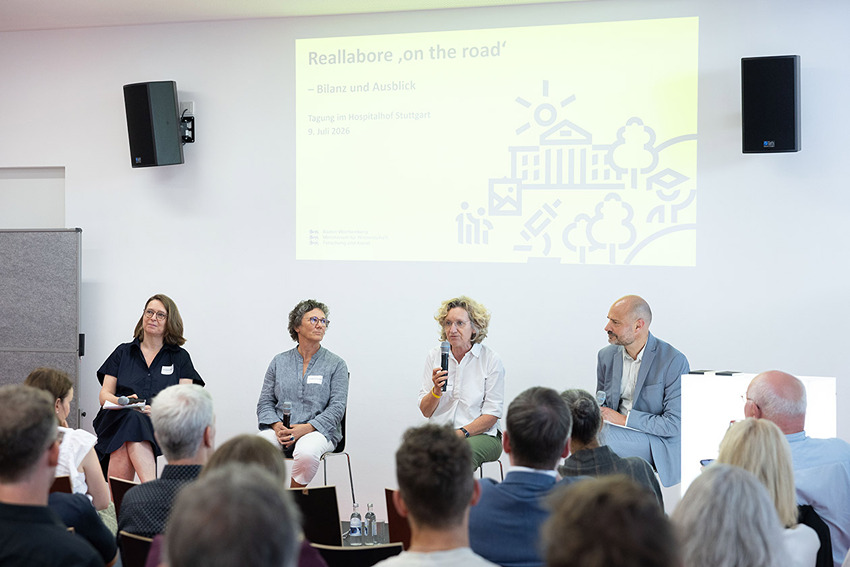
A discussion with guests in the plenary session provided a nice conclusion to the conference. They discussed the potential of real-world labs to transform practice and society.
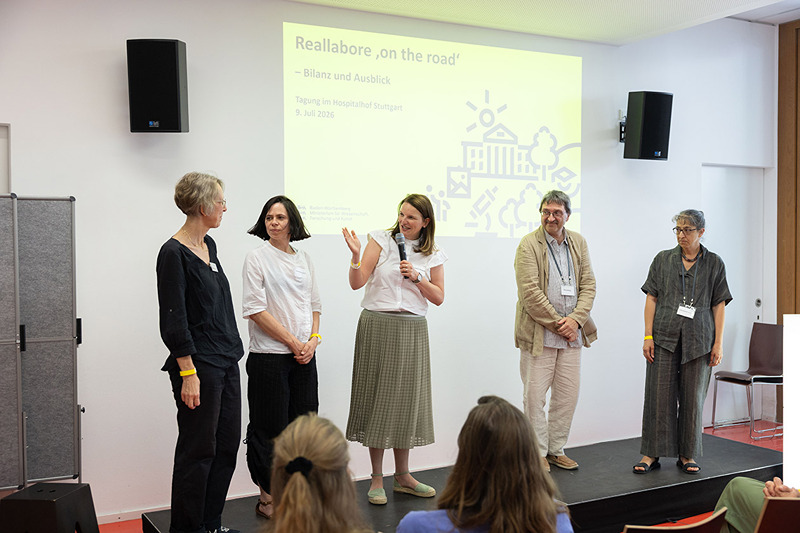
We would like to thank the entire organizing committee for this wonderful conference. In particular, we would like to thank Susann Neupert, Dr. Samantha Schramm (both MWK), Petra Gerlach (evalag), Dr. Antonietta Di Giulio, and Prof. Rico Defila (both University of Basel), as well as all participating real-world labs and attendees for the fruitful exchange.