
Fuckup Night „Failed, but wiser“: A follow-up
03.04.2026 - The participants of the first GTPF work conference in March 2026 had the opportunity to take part in a Fuckup Night entitled "Failed, but wiser". The Fuckup Night is a humorous format that deliberately focuses on what often remains invisible in transdisciplinary research projects: failure and learning from it.
How do we deal with failure? What is our error culture like? How can we and others learn from mistakes? The Fuckup Night shed light on these questions openly. In a protected space, it became clear how productive it can be to make failure visible and learn from it together.
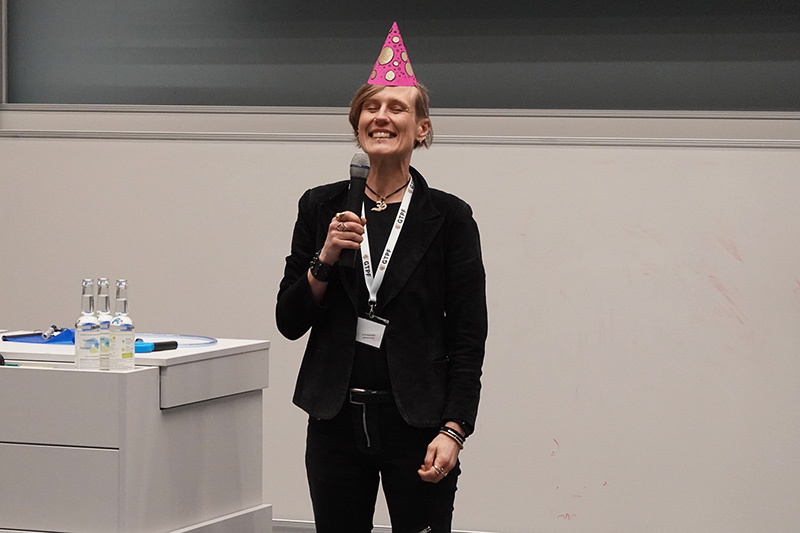
Melanie Jäger-Erben opened the evening with a humorous and pointed key input. Using a "forearm trainer" and a party hat, she illustrated some of the challenges of transdisciplinary research: high pressure of expectations, unpredictable process dynamics and communication difficulties with project sponsors and partners. Her appeal: more composure, openness and humor in dealing with the inevitable failure.
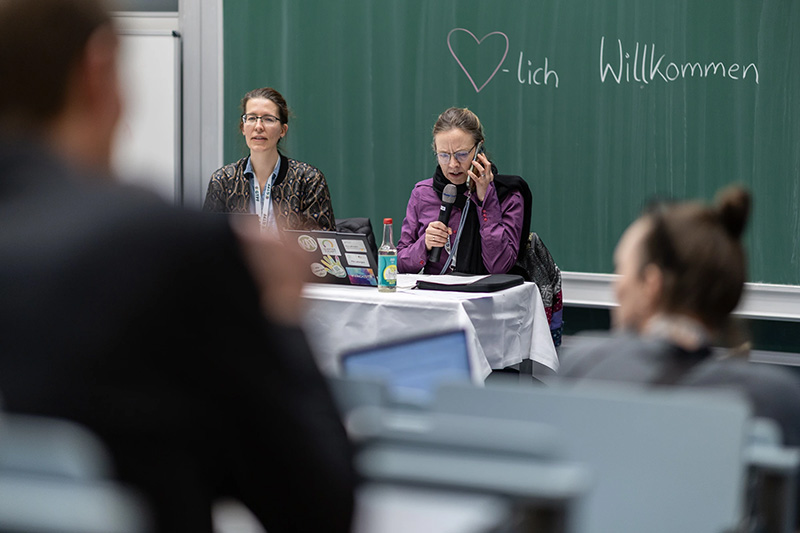
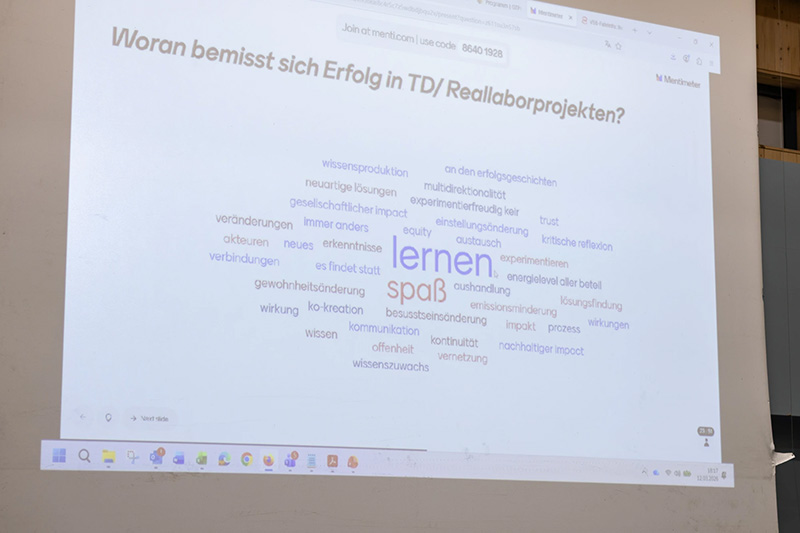
A subsequent short sketch by Pia Laborgne, Stefan Raich and Claudia Schreider humorously picked up on a typical conversation with a project sponsor – including the often contradictory ideas of what actually counts as "successful" transdisciplinary research.
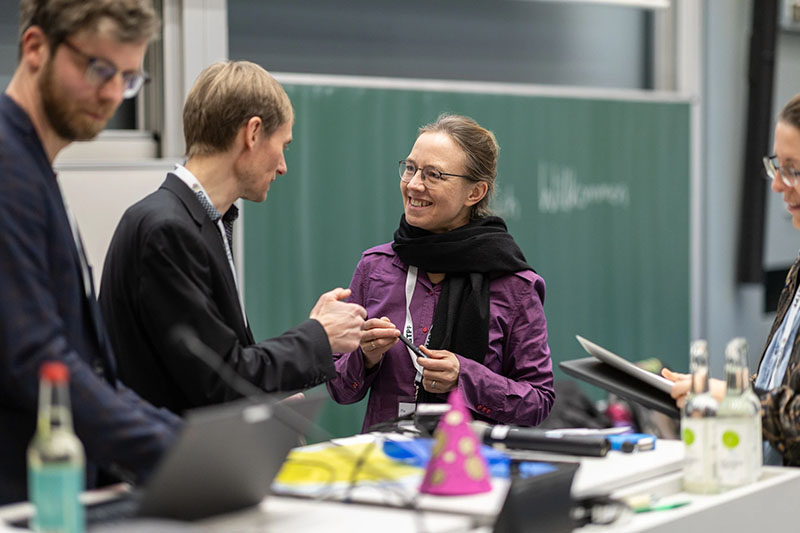
Three failure stories from practice
Three participants were willing to share their own "fuck-ups" from project practice with the group:
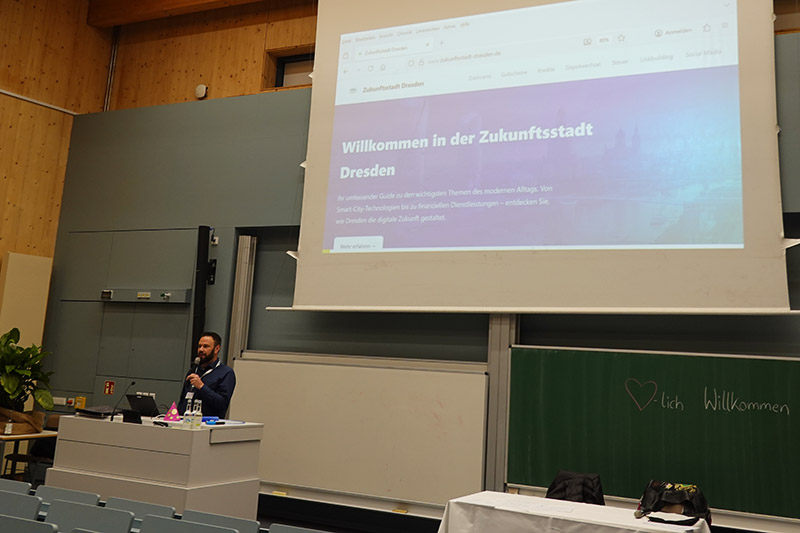
Markus Egermann reported that activating citizens to develop their own visions for the future of Dresden's city of the future was a major challenge. This became particularly apparent when the toolbox that had been developed was removed from the network because the city no longer saw itself as responsible – and thus a central component of the desired participation was lost.
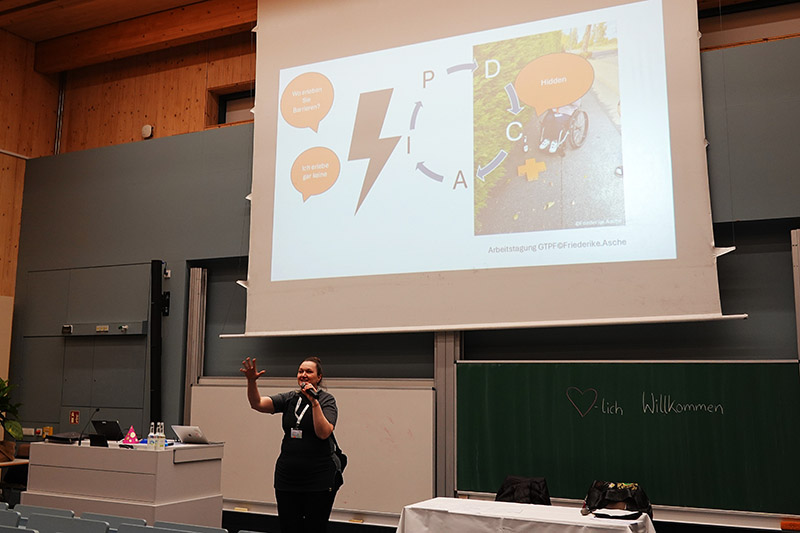
Friederike Asche described the development of a participatory website, which did not work technically or in terms of process, but which produced important lessons learned about digital participation.
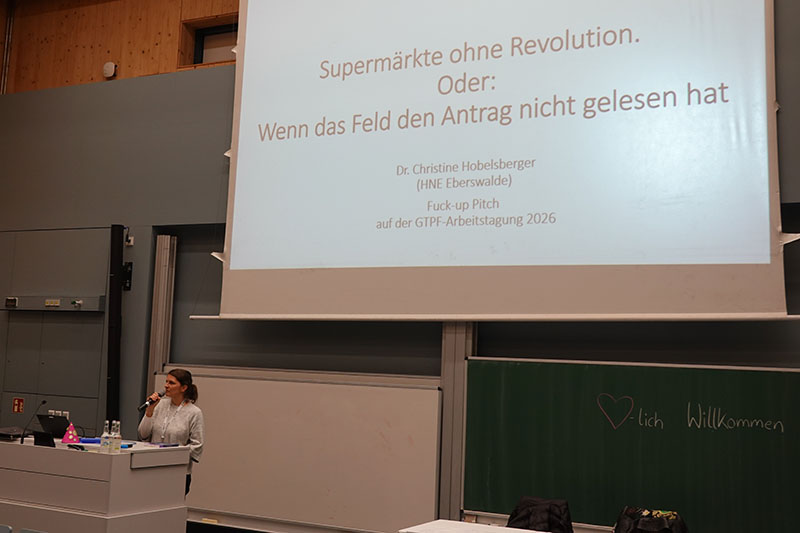
Christine Hobelsberger talked about a problem of transdisciplinary research that turned out not to exist at all in the course of the project – an experience that raised fundamental questions about problem definition and goal clarification in transdisciplinary projects.
Entertaining, open and instructive
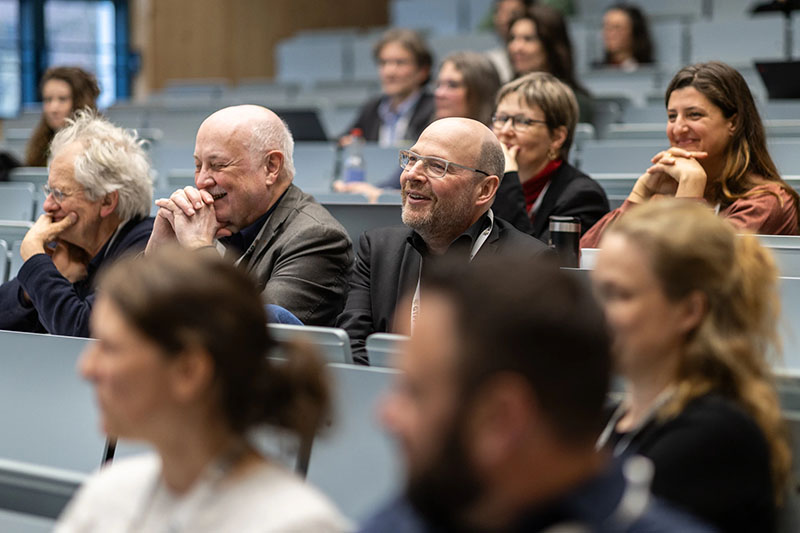
The Fuckup Night proved to be refreshingly honest, entertaining and insightful at the same time. The various contributions made it clear that failure is not an exceptional case, but an inherent part of transdisciplinary research. Valuable knowledge is created through open exchange – for more reflective project practice, more professional communication and ultimately better research.
The course was organized and conceived by Pia Laborgne and Claudia Schreider from the Karlsruhe Transformation Center for Sustainability and Cultural Change (KAT) together with Stefan Raich, Potsdam University of Applied Sciences and Sebastian Rogga, ZALF. It took place as part of the conference of the Society for Transdisciplinary and Participatory Research (GTPF) in March 2026.